
Write down what the bathroom quote covers
Start with a clear description of the work. List the fittings being removed, the replacements being supplied, the surfaces being finished and any changes to the layout. Include small but necessary jobs such as moving a radiator or finishing the ceiling. If something matters to you, it should not depend on a conversation that nobody has recorded. Ask for it to appear in the quote or its agreed attachments.
Check the jobs around the main installation too. Who removes waste, arranges electrical work, repairs damaged surfaces and completes decorating? If a job is excluded, you need to know who will do it and when. A clear exclusion is easier to plan for than an assumption discovered halfway through fitting. Keep the final version of the quotation together with the layout and product list.
Make product choices before the work starts
Changing fittings during a refit can affect more than the purchase price. A different basin cabinet may need another pipe position; a new shower arrangement may need different connections behind the wall. Choose the main products before the start date where possible. Check their dimensions and availability with the installer, and agree what happens if an item is delayed or no longer available.
If an alternative is suggested, ask whether it changes the appearance, use, fitting work or cost. Do not accept a substitution solely because the name sounds similar. A shower door opening in a different way could affect the whole room. Record the item you approve and any price change. This helps the fitter order correctly and gives you a clear reference when the products arrive.
Tell the fitter about known problems
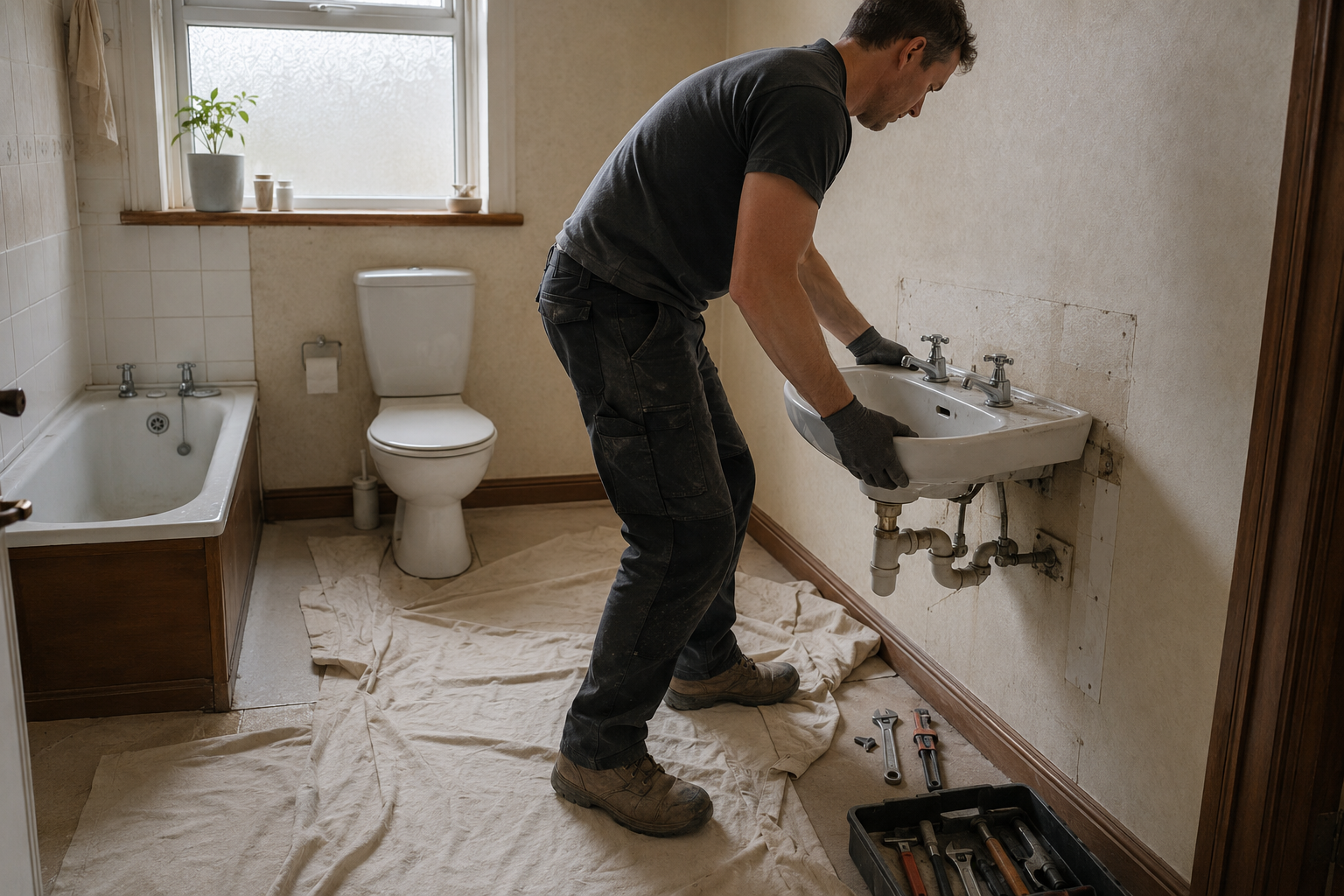
Explain anything you already know about the bathroom: a recurring leak, slow drainage, a floor that moves or a wall that stays damp. These details help the inspection and should not be hidden because you hope they will disappear with the old suite. Take photographs of intermittent problems if you can, and describe when they occur. The cause may need repair before new finishes can be fitted.
An appointment still cannot reveal everything behind tiles or beneath a bath. Ask which parts have been checked and which remain uncertain. If the installer has allowed a sum for a particular repair, ask what it covers. If there is no allowance, understand how that repair would be priced if needed. A useful quote distinguishes visible work from conditions that cannot yet be confirmed.
Agree how extra work will be approved
Unexpected damage needs a clear process. Ask the contractor to show you the problem, explain the proposed repair and give you the additional cost before proceeding beyond the agreed work. Find out whether it affects the completion date. Where there are options, ask how each one affects the finished bathroom and its ongoing use, rather than choosing only on the immediate price.
Keep changes in writing, even if you first discuss them in person. A short description, price and approval can prevent confusion when the final invoice arrives. Make sure the person approving changes for your household is available during the job. Urgent safety issues still need appropriate action, but that is not a reason to leave the general arrangements for additional work unexplained.
Separate essential work from optional extras
Keep a short priority list: the faults that need fixing, the changes that make the room easier to use and the decorative extras you would like. If the budget becomes tight, this helps you decide what can change without losing the purpose of the refit. Suitable preparation, safe electrical work and a usable layout should not be treated as optional finishes that can simply be removed from the job.
Be careful with late additions that seem small on their own. An illuminated mirror, extra niche or change of tile pattern can affect wiring, wall work or labour. Ask for the cost before asking the fitter to go ahead. A separate allowance in your household budget can help with unforeseen work, but it should remain under your control rather than becoming an unspoken extra amount to spend.
Check the payment and handover arrangements
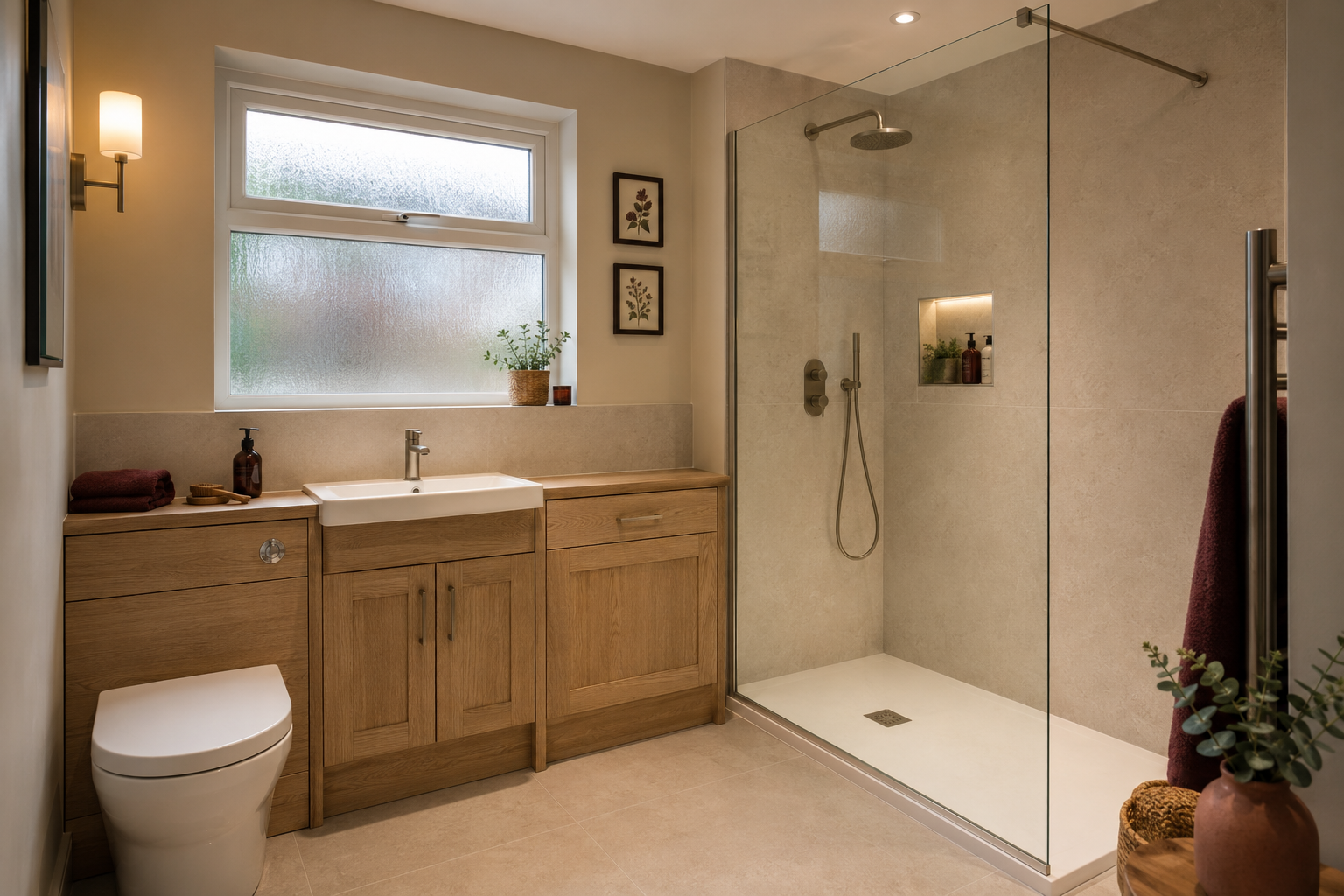
Before booking, understand the payment stages, how VAT is handled where applicable and what happens if the agreed work changes. Keep receipts and the written record of amendments. Check the supplied products against the list while there is time to resolve a wrong size or finish. Raising a mismatch before it is fitted is usually more straightforward than discovering it when the room is almost complete.
At handover, walk through the agreed work and note anything unfinished. Ask for the product information, care instructions and any relevant certificates for the work carried out. Check how to raise a later problem and which terms apply. You cannot remove every uncertainty from a renovation, but a clear specification and approval process make it much easier to understand and control the final bill.
For the fitting service, see full bathroom refits in kilmarnock. You can also read checking the differences between bathroom quotes and planning for disruption during fitting.