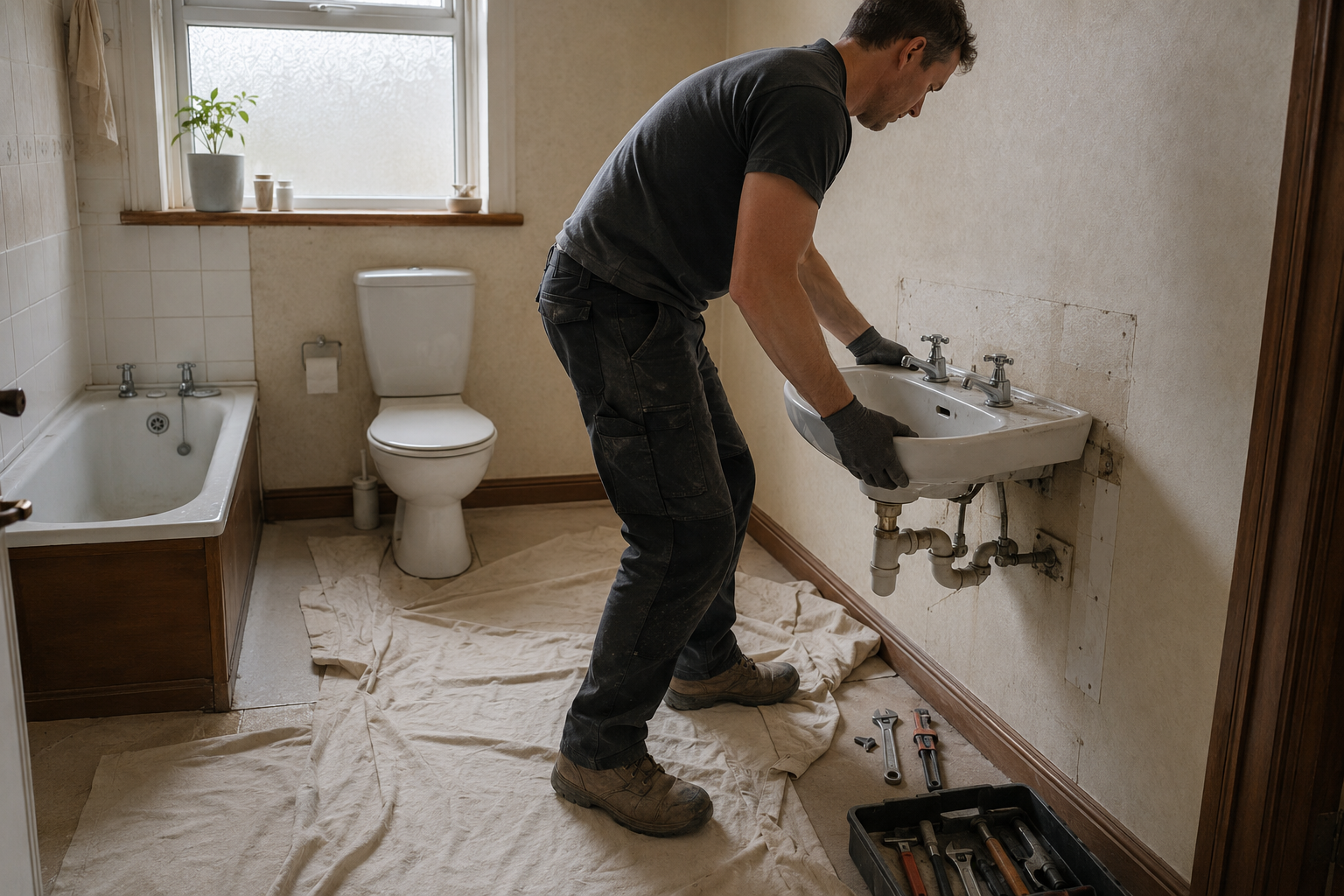
Ask when you will lose use of the bathroom
A full bathroom refit means some time without the normal use of the room. The exact arrangements depend on what is being removed and how the replacement work is organised. Ask separately about the toilet, shower, bath and basin. A toilet being usable for part of the job does not mean the whole bathroom is ready, and a new shower may need to stay unused until its finishes are ready.
If this is your only bathroom, explain that at the first appointment. Agree the arrangements before you book the work, including what happens at the end of each day. Do not rely on an assumption that the old toilet will always be reconnected overnight. If the installer cannot confirm that, you need another plan for the household while the room is out of use.
Understand the order of the fitting work
The old suite and finishes usually need removing before the fitter can see all the surfaces underneath. Preparation follows, including agreed repairs and changes to pipework or wiring. New wall and floor finishes, fittings and final connections then need fitting in a suitable order. Some products need time before the next stage can begin. A day without much visible activity does not always mean the work has stopped unnecessarily.
Ask for a schedule that explains the stages in your particular job, rather than a general promise about how quickly bathrooms can be fitted. Find out which decisions or deliveries are needed before the start date. Late changes to a shower valve, tiles or basin cabinet can affect other work, especially where the connections are concealed. Keeping the agreed products available helps avoid preventable gaps between trades.
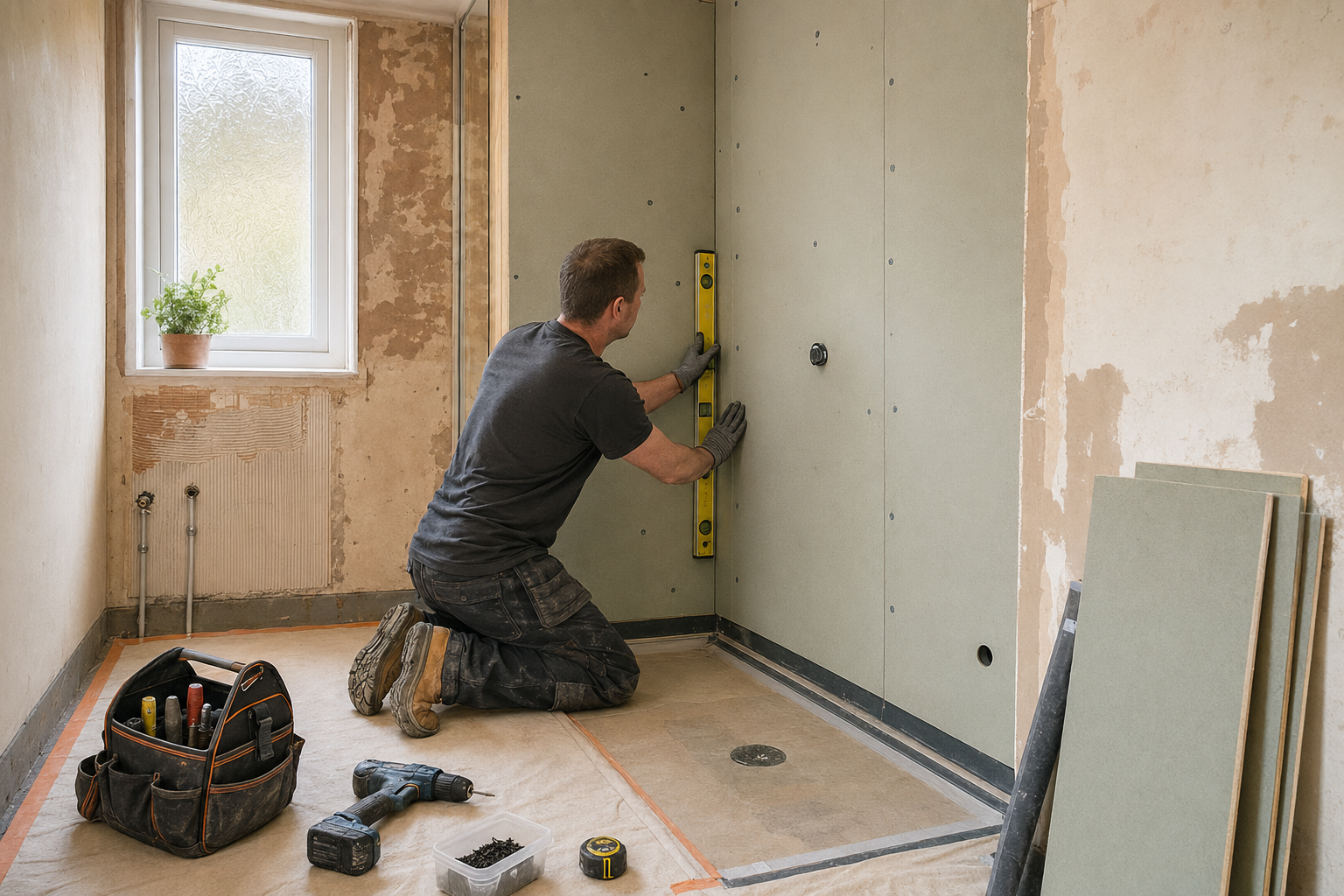
Protect the route through your home
Bathroom work involves carrying tools, materials and old fittings through the property. Walk the route with the installer before the job starts. Discuss floor protection, stair coverings and how doorways or tight corners will be handled. Move fragile objects, pictures and furniture that could get in the way. In a flat, include communal access and any building arrangements that affect deliveries or taking waste outside.
Removing tiles and preparing walls can create noise and dust. Ask what measures will be used to contain it and what cleaning is included during the job and at handover. Ask how nearby surfaces will be covered before dusty work begins. Keeping internal doors closed where appropriate and clearing nearby shelves can make the inevitable household cleaning easier, but the contractor should still explain their own protection arrangements.
Plan around children, pets and working from home
A bathroom being stripped or fitted is a work area, with tools, sharp materials and unfinished surfaces. Agree how children and pets will be kept away from it and from the access route. If you normally work beside that route, move your desk temporarily if possible. Tell the installer about meetings or household routines that could clash with especially noisy work, without assuming the schedule can always change around them.
Ask about working hours, arrival arrangements and who to speak to if something changes. If you will be out, agree access and how the property will be secured when the team leaves. Store medicines and other essential bathroom items somewhere you can reach throughout the job. Prepare a separate place for daily washing items instead of trying to retrieve them from the work area each morning.
Agree what happens if damage is uncovered
The condition behind a bath, shower or old tiles may not be fully visible before removal. Damp timber, loose wall surfaces or unsuitable earlier repairs can affect what is needed next. This is different from adding a decorative extra halfway through the job. Ask the installer to explain any problem, show you what has been found and set out the proposed work before you approve an additional cost.
Keep some flexibility in your household arrangements in case the agreed schedule changes. Ask how you will be told about a delay and whether it affects the whole room or one part of it. A written update is useful when several trades are involved. You should understand the revised plan, the reason for the change and any effect on cost before work carries on beyond the agreed scope.
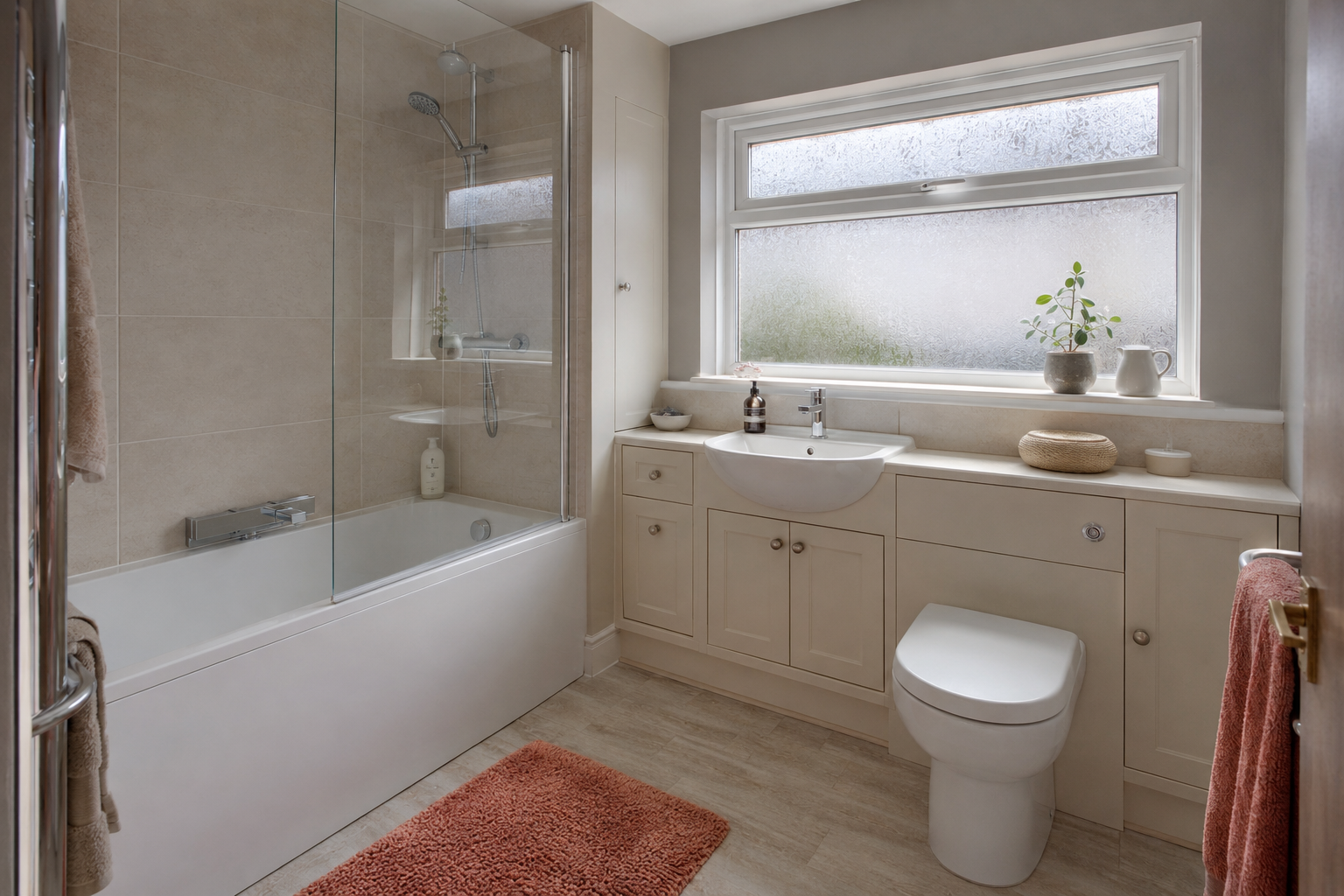
Make the handover part of the plan
Before using the finished bathroom, ask when each fitting and surface is ready. The installer should show you how the shower controls, waste fittings and any new electrical features work. Ask how to reach parts for repairs and where to turn off the water to each fitting, and keep the supplied care instructions together. Cleaning products that suited your previous bathroom may not suit the new taps, panels, grout or screen finishes.
Walk around the room with the agreed quote and note anything still to be finished. Check the cupboard doors, shower door, toilet flush and basin drainage, and ask about any concerns while the installer is there. Keep the contact route and product information for later questions. Knowing what happens at handover makes the job easier to manage than treating the last fitting day as an unexplained finish line.
For the fitting service, see full bathroom refitting in kilmarnock. You can also read planning your bathroom renovation and dealing with unexpected bathroom costs.