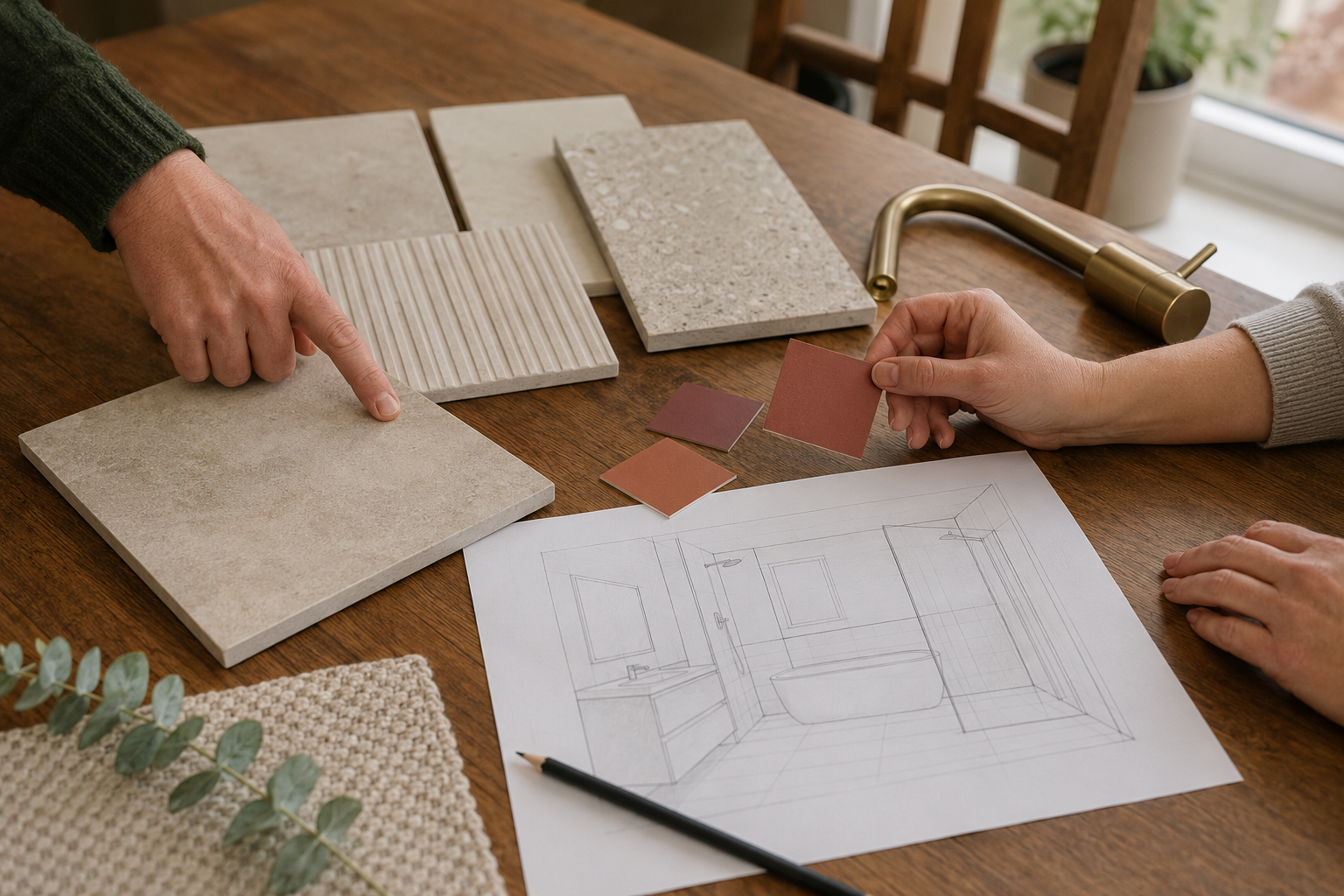
Check that both quotes describe the same job
Two bathroom quotes can look very different because they cover different work. One may replace the suite in its existing position, while another moves the shower and repairs the walls. Start with a single written list of what you want done. Give each company the same list and ask them to identify any assumptions or exclusions so the prices have a fair basis for comparison.
Be specific about the parts of the room included. Does the work cover the whole floor, all walls, the ceiling and the radiator, or only the shower area? Is the old suite being removed and disposed of? A short description such as bathroom installation leaves plenty of room for misunderstanding. Ask for the missing detail before deciding that the higher quote is charging more for the same thing.
Product names help you compare supply prices
Similar-looking taps, screens and basin cabinets can have different prices and specifications. A quotation that says shower does not tell you the tray size, screen arrangement, controls or chosen model. Ask for a product list with dimensions and finishes. It should be clear whether the price includes those exact products or an allowance that will change once you choose them.
This matters for everyday use as well as price. A smaller basin cabinet may cost less but not hold the items you need. A different shower door may need more space to open. If a cheaper alternative is offered, check it against the layout and your priorities. Keep any approved substitution in writing, particularly where it changes fitting requirements or the way the finished room will work.
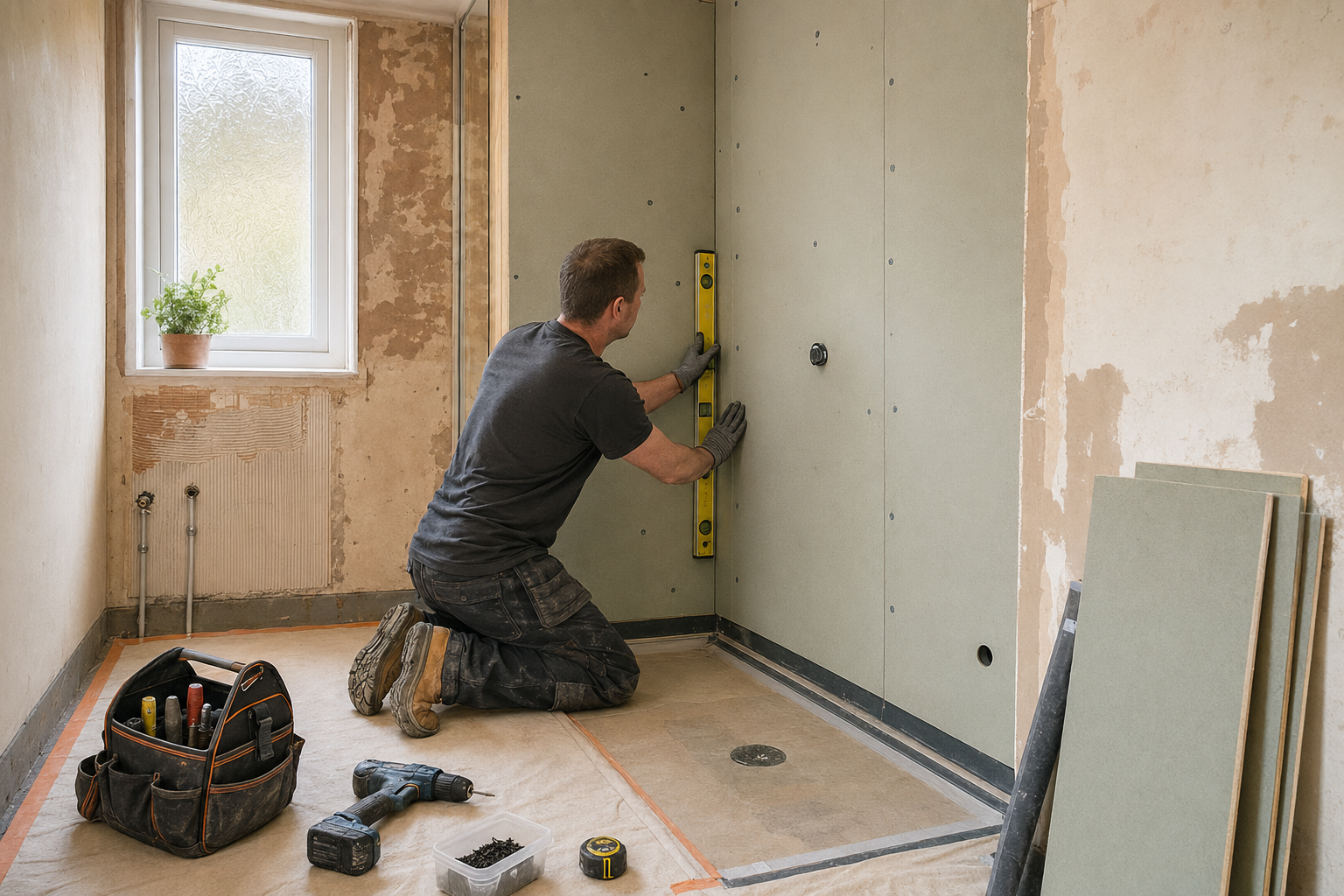
Preparation is easy to miss in a headline price
Removing old tiles can reveal surfaces that need repair before the new finish is fitted. The floor may also need work, and the shower area needs a suitable installation for the chosen wall system. Ask each contractor what preparation they have included. A quotation that properly allows for known work may look higher than one that only prices the visible fittings and finishes.
Some conditions cannot be confirmed until the bathroom is stripped. A clear quote should explain those limits rather than pretending every hidden surface has been inspected. Ask how the contractor would show you a problem, price the repair and get approval. Comparing that process is useful: you need to know how the final cost could change, not just which document has the lowest number at the bottom.
Moving fittings adds more than new pipework
Changing the layout can affect walls, floors, drainage and electrical positions. The amount of work depends on the existing room and the proposed fittings. A quote that retains the toilet position should not be compared with one that relocates it without recognising the difference. Ask for layout changes to be described clearly, including any visible boxing or access panels that will remain.
Concealed fittings need particular attention in the specification. A hidden cistern, wall-mounted tap or concealed shower valve still needs suitable support, connections and future servicing access. Ask how those details are handled. A tidy finished photograph does not show the preparation behind it, and a quote should help you understand what is being installed rather than relying on appearance alone.
Look at the finishing and household arrangements
Find out who handles electrical work, decorating, waste removal and final cleaning. Some companies include particular jobs; others expect you to arrange them. Neither arrangement should be left to guesswork. Ask when the room will be unavailable and what has been agreed if it is your only bathroom. These details can affect the practical cost to your household even when they are not individual product prices.
Check the proposed schedule, working hours and contact arrangements during the job. Ask what happens if deliveries or unforeseen repairs affect the dates. A realistic written plan is more useful than an unsupported promise that every bathroom takes the same number of days. Make sure you know who is responsible for coordinating the work described in the quote and who you should speak to about changes.
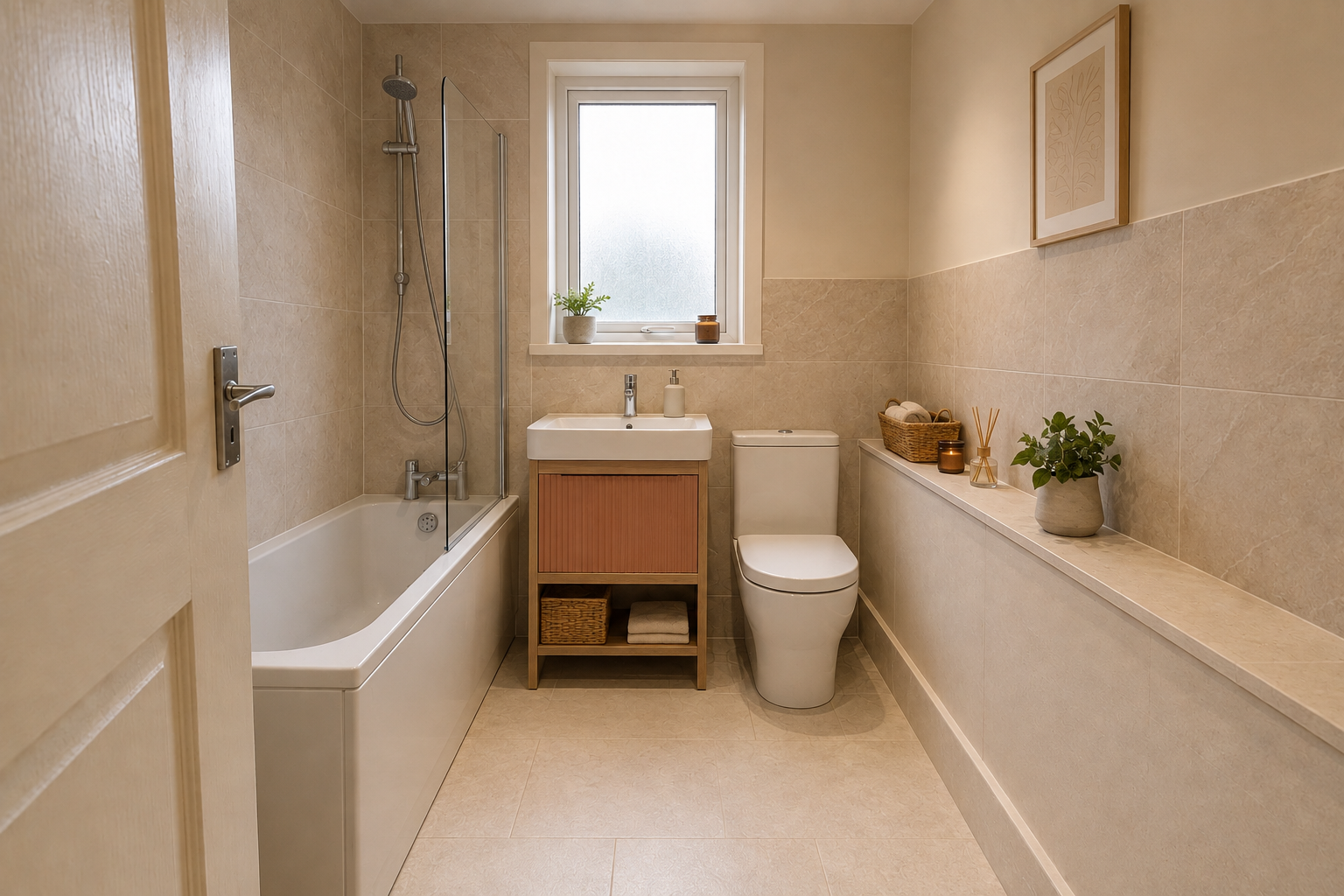
Compare the total and the terms together
Check how VAT is treated where applicable, when payments are due and what documentation you will receive. Read the stated product and workmanship terms rather than assuming every warranty covers the same things. Ask about exclusions, maintenance requirements and the contact route if a problem develops. An attractive headline figure should not prevent you from understanding what you are agreeing to.
Put the quotes side by side against your original list. Mark what is included, excluded or still unclear, then ask for clarification on those items. You may find that a lower price suits a smaller job, or that a higher one includes work you need. Choose on the basis of a defined bathroom and a clear written agreement, not a vague comparison between two totals.
For the fitting service, see bathroom costs and packages in kilmarnock. You can also read understanding the bathroom starting price and avoiding unexpected costs during a refit.